
Qualifying NEET-UG and not converting a government MBBS seat is the ordinary outcome for most candidates, not a failure. At that point a family is usually choosing between a private medical seat in India, a repeat NEET attempt, and a medical degree abroad — and the three differ far more in cost and structure than in difficulty.
MBBS abroad means enrolling in a six-year medical degree at a foreign university, taught in English, and returning to India as a foreign medical graduate. Universities abroad publish their annual tuition openly and many bundle on-campus hostel, which makes a six-year total possible to plan before you commit — provided you get the full fee structure in writing.
The part that decides everything else is regulatory. India's National Medical Commission does not publish a simple list of approved foreign universities; its FMGL Regulations, 2021 instead set conditions on the course you take and on you as a graduate. Checking a university against those conditions, in writing, is the single most important thing to do before paying anything.
This page is the overview: eligibility after NEET, what six years actually costs, how the main destinations compare, and how admission runs. Individual university pages carry the institution-level detail.

Three things decide whether a foreign medical degree works for you: whether the course meets the NMC FMGL 2021 conditions, what all six years cost in total, and which language the clinical years are actually taught in.
Indian students intending to study medicine abroad must qualify NEET-UG and meet the applicable regulatory requirements.
Look beyond the advertised language and verify the language used during the clinical years before admission.
Get the complete six-year fee structure in writing, including hostel, insurance and other university charges.
Compare the full six-year cost instead of looking only at annual tuition. Ask universities for their current written fee structure before making any financial commitment.
See Full Cost BreakdownEvery year more than 20 lakh candidates sit NEET-UG for roughly 1.08 lakh MBBS seats across government and private colleges in India. Qualifying NEET but missing a government seat is an ordinary outcome, not a failure — and it is the point at which most families start comparing a private seat in India against studying medicine abroad.
Indicative full-course cost at Indian private medical colleges, before any capitation or donation. Figures vary widely by college, state and category.
Universities abroad publish annual tuition, and many bundle on-campus hostel. What you pay depends on the country, the university and the exchange rate on the day you pay.
Most families are choosing between a private medical seat in India and a medical degree abroad. These are the five parameters that actually separate them.
| Feature | India (Private) | Abroad |
|---|---|---|
| Total Fees | Very High | Moderate |
| Available Seats | Limited | More options |
| Global Exposure | Limited | Strong |
| Clinical Practice | Varies | Hands-on |
| Donation | Often required | Not required |
Two sets of requirements apply at once: the National Medical Commission's rules for Indian students taking a medical degree abroad, and each university's own admission criteria. Requirements are revised from time to time — confirm the current position for your intake year with the university and the relevant embassy.
The distinction that matters is between qualifying NEET and scoring highly in it. Since May 2018, any Indian citizen or OCI intending to obtain a primary medical qualification outside India must have qualified NEET-UG. Clearing your category’s percentile cut-off is the requirement — there is no separate minimum score for going abroad, and your NEET result itself serves as the eligibility certificate.
Foreign medical universities do not usually rank applicants by NEET score the way Indian counselling does. Admission is generally assessed on your Class 12 Physics, Chemistry and Biology performance, alongside the university’s own criteria. In practice a student who qualified NEET with a modest score, but has solid Class 12 PCB marks, can be eligible for admission abroad even when a government seat in India was out of reach.
Share your NEET score, budget and preferred country with OAKS Overseas to compare MBBS university options that may suit your profile and current admission requirements.
Get My MBBS OptionsTuition is the figure everyone quotes and it is never the whole cost. A realistic six-year budget is built from seven separate lines, only some of which a university includes in the number it advertises.
| Cost Line | What It Covers | How It Is Usually Billed |
|---|---|---|
| Tuition | Teaching, examinations and clinical placement at the university. | Published per academic year. Ask whether it is fixed for all six years or revised annually. |
| Hostel / Accommodation | A room in university accommodation, or private rent where no hostel is offered. | Per year. Sometimes bundled into the tuition figure — confirm which, because it changes the comparison entirely. |
| Food and Mess | Daily meals, whether through an Indian mess on campus or self-catering. | Monthly, and almost never included. Budget it separately for all six years. |
| Medical Insurance | The health cover most study destinations require of international students. | Per year. Occasionally inside the package; usually not. |
| Visa, Residence Permit and Renewals | The student visa, plus the local residence permit and its periodic renewal. | One-off at entry, then a recurring renewal charge in most countries. |
| Travel | Flights out, and trips home across a six-year course. | Per journey. Plan for at least one return trip a year. |
| One-Time University Charges | Admission or registration fee, document processing, apostille and attestation. | Once, in the first year. Ask for these as a written list — they are the line most often left out of a quote. |
Ask the university for its current fee structure in writing, covering all six years — not just year one.
Hostel and insurance are the two lines most often assumed either way.
Add every excluded line above for six years, at the university's own quoted rates where it has them.
Include admission, registration, document processing, apostille and attestation.
Note that the rupee figure will move over six years because instalments are paid in the university's currency.
Tuition is set in the university’s currency — roubles, dollars or local currency — and paid in instalments across six years. A rupee total calculated today is an estimate of the first instalment, not a fixed price for the course.
The same number can be an annual tuition or a six-year total depending on who is quoting it. Always confirm which, in writing, before comparing two universities.
Families working to a ₹20–30 lakh total budget most often end up comparing public and state-affiliated universities in Russia, Uzbekistan, Kazakhstan and Kyrgyzstan.
These countries publish comparatively low annual tuition and frequently bundle on-campus accommodation, which makes a six-year total easier to plan. The band is an indicative planning range, not a quoted price — what a course actually costs depends on the university, the intake year and the exchange rate when each instalment falls due.
Annual tuition as published by the university, on-campus hostel where it is bundled, and basic medical insurance where it is included.
Food and mess (commonly USD 100–150 a month), flights and airport transfers, visa fees and annual residence-permit renewals, plus books, uniforms and personal expenses.
Send your NEET score, your six-year budget and the countries you are considering. We will come back with the universities that fit it, and what each published fee does and does not include.
Get My MBBS OptionsChoosing the right destination for MBBS abroad depends on your budget, NEET qualification, university fees, course structure, clinical training and the requirements you will need to meet after graduation. Open a destination below for its universities, fees and admission detail.

Compare universities, published tuition, accommodation, course structure and admission requirements.
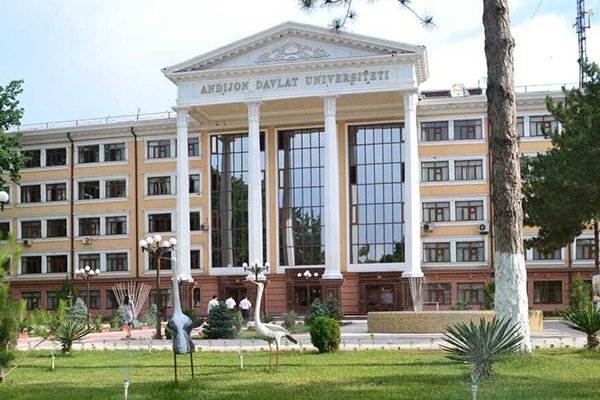
Explore university options, fees, clinical training and requirements for Indian students.
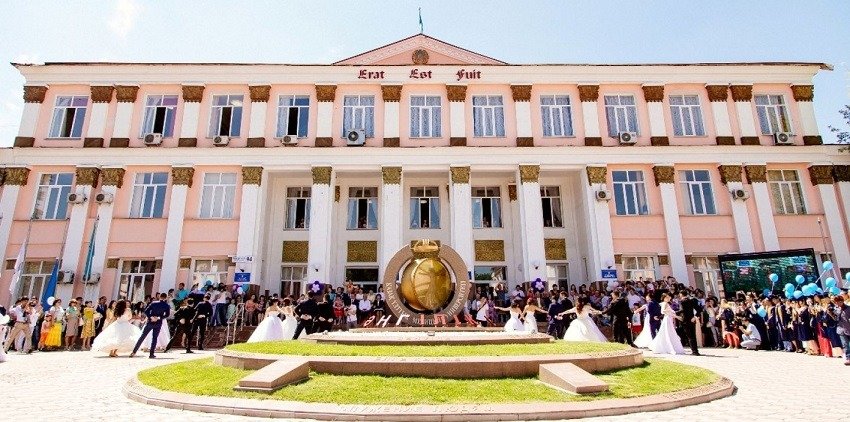
Review universities, tuition costs, accommodation and admission requirements.
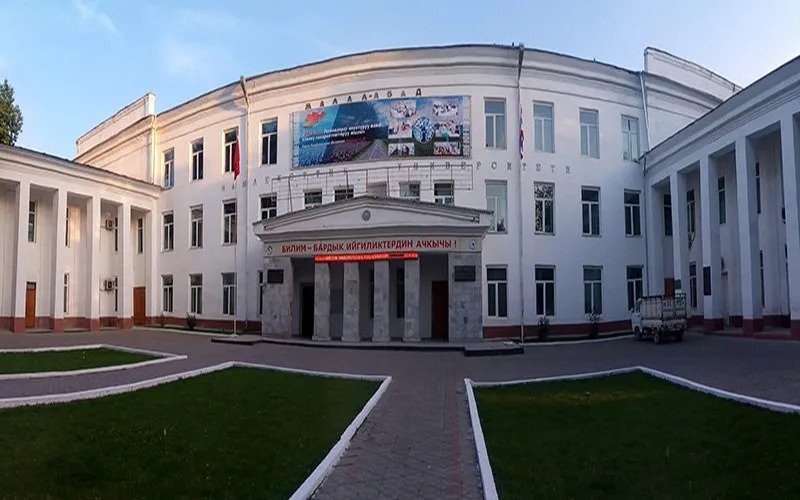
Compare affordable university options and the requirements that apply to Indian students.
Compare universities based on your NEET qualification, six-year budget, course structure, clinical exposure and applicable NMC requirements before making a decision.
Get My MBBS OptionsFrom understanding your profile to reaching your medical university, we support you through every stage.
Discuss your academic profile, goals and international medical education options.
Shortlist universities according to your profile, preferences and budget.
Complete applications and prepare the required documents.
Receive assistance with visa documentation and interview preparation.
Complete pre-departure preparation and begin your medical education journey.
Requirements can vary by country and university. Confirm the current criteria before applying.
| Requirement | General Requirement |
|---|---|
| Academic Qualification | Completion of the required higher secondary education with relevant science subjects. |
| Subjects | Physics, Chemistry and Biology are generally required. |
| NEET | Indian students must meet the applicable NEET requirements for studying medicine abroad. |
| Age | Students must satisfy the applicable minimum age requirement. |
| Passport | A valid passport is required for the international admission and visa process. |
MBBS abroad can provide access to a wider selection of medical universities, international exposure, modern infrastructure and potentially more affordable tuition options.
Yes. Indian students can pursue medical education abroad, subject to meeting applicable academic, NEET, university and regulatory requirements.
Indian students intending to pursue medicine abroad must comply with the applicable NEET requirements prescribed for Indian citizens.
Compare the university's recognition, curriculum, tuition fees, infrastructure, clinical exposure, location and applicable requirements before making a decision.
Scholarship availability depends on the country, university and individual eligibility. Students can explore available scholarship options during the counselling process.
Yes. Piuz provides guidance with visa documentation and preparation as part of its end-to-end overseas education support.
Begin with a profile assessment and counselling session, followed by university shortlisting, application, documentation and visa processing.
Get personalized guidance for MBBS abroad, university selection, admissions, scholarships and visa assistance.
Get Free Medical Career Guidance